Flood Zones in Tampa Bay: What Home Buyers Need to Know Before Purchasing
Tampa Bay is known for its waterfront views, coastal lifestyle, and access to the Gulf of Mexico. Many of the region’s most desirable communities sit along the bay, rivers, or nearby waterways. However, that proximity to water also means flood zones are an important factor for home buyers to understand.
If you're planning to purchase a home in areas such as Tampa, St. Petersburg, Riverview, or surrounding communities, it’s important to know how flood zones work and how they may affect your purchase. Flood zone designations can influence insurance costs, financing requirements, and long-term homeownership expenses.
Flood zones do not necessarily mean a home floods frequently, but they do indicate areas where flood risk is statistically higher based on elevation, proximity to water, and historical data.
Because flood risk varies widely by neighborhood, it’s helpful to review local housing areas and community characteristics as you begin your search. You can explore our Featured Areas to learn more about different communities across Tampa Bay.
In this guide, we’ll explain:
- What flood zones are
- How FEMA flood maps work
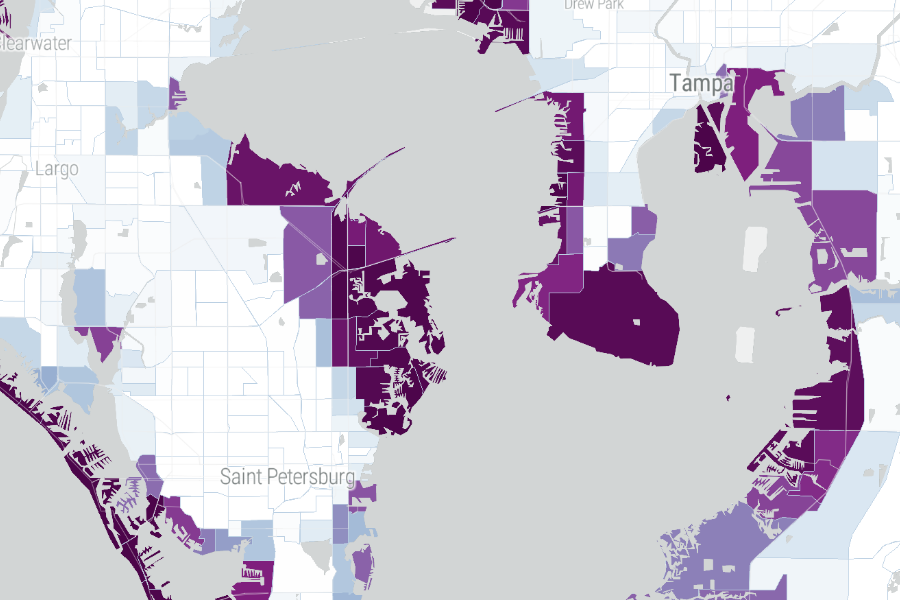
- Which Tampa Bay areas are more likely to be located in flood zones
- How flood zones affect insurance and mortgage requirements
- What buyers should check before purchasing a home
Understanding these factors early in the home search can help buyers make informed decisions and avoid unexpected costs after closing.
Quick Answer: What Is a Flood Zone?
A flood zone is a geographic area identified by the Federal Emergency Management Agency (FEMA) that reflects a property’s level of flood risk based on elevation, proximity to water, historical flood data, and local terrain.
Flood zones are primarily used by lenders, insurance companies, and local governments to determine flood insurance requirements and risk exposure for properties.
For home buyers, the most important factor is whether the property is located in a high-risk flood zone, often called a Special Flood Hazard Area (SFHA). When a home is located in one of these higher-risk zones and the buyer is using a mortgage from a federally regulated lender, flood insurance is typically required.
Flood zone designations do not guarantee that a property will flood. Instead, they indicate the statistical likelihood of flooding, which helps lenders and insurance providers assess risk and establish coverage requirements.
Why Flood Zones Matter for Tampa Bay Home Buyers
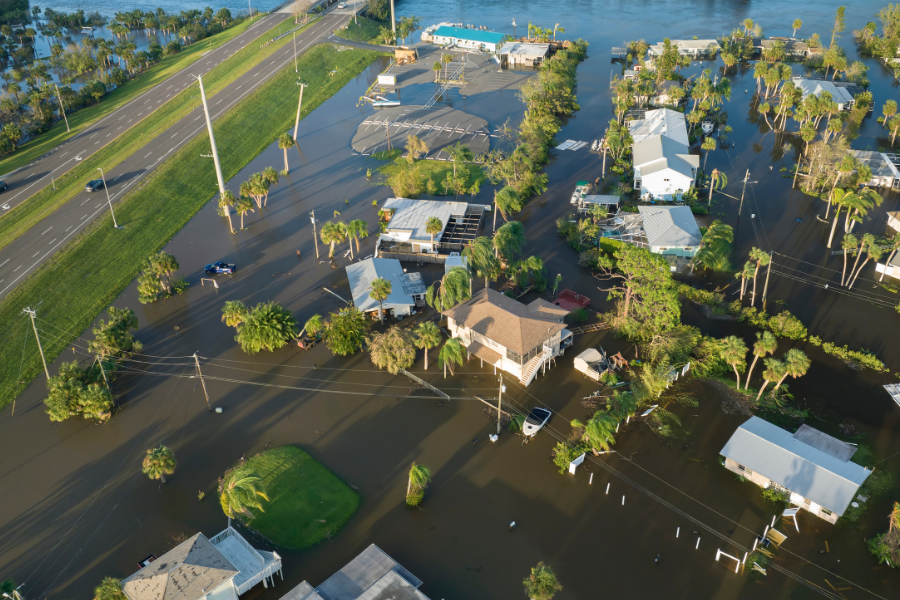
Flood zones are an important factor to consider when purchasing a home in Tampa Bay. Because the region sits along the Gulf Coast and includes multiple bays, rivers, and low-lying coastal areas, certain neighborhoods carry a higher flood risk in Tampa, Florida than inland communities.
For buyers evaluating properties in the Tampa Bay area, flood zone designation can affect financing requirements, insurance costs, and long-term property value.
Mortgage Lenders May Require Flood Insurance
If a home is located in a high-risk flood zone, lenders typically require flood insurance when a buyer is using a mortgage from a federally regulated lender.
These higher-risk zones are known as Special Flood Hazard Areas (SFHAs). In these zones, flood insurance is usually mandatory before the loan can close.
Homes located outside high-risk zones may not require flood insurance, although some homeowners still choose to carry coverage for additional protection.
Flood Insurance Affects Monthly Housing Costs
Flood insurance premiums can add to a homeowner’s monthly housing expenses.
Costs vary depending on factors such as:
- Flood zone designation
- Property elevation
- Distance from waterways
- Building characteristics
Because of these variables, two homes in the same neighborhood may have very different insurance costs.
Flood Zones Can Influence Resale Value
Flood zone designation can also affect a property's marketability and resale potential.
Some buyers prefer homes outside flood zones to avoid additional insurance costs, while others may prioritize waterfront location despite the insurance requirement.
Properties with lower flood risk sometimes attract a broader pool of buyers when it comes time to sell.
Storm Surge Risk in Coastal Areas
Coastal communities throughout the Tampa Bay region may also face storm surge risks during hurricanes or severe storms.
Areas closest to the water may be more exposed to storm surge flooding, particularly during major weather events. Understanding both flood zones and storm surge risk can help buyers evaluate the overall exposure of a property.
Insurance Requirements Can Change Over Time
Flood zone designations and insurance requirements are not static. FEMA periodically updates flood maps based on new data, development patterns, and environmental changes.
This means a property’s flood zone classification may change over time, potentially affecting insurance requirements or premiums.
Quick Buyer Tip
Before making an offer on a home, buyers should always verify the property’s flood zone designation and estimate potential insurance costs. Understanding flood risk early in the process helps buyers avoid unexpected expenses and make more informed purchasing decisions.
Understanding FEMA Flood Zone Categories
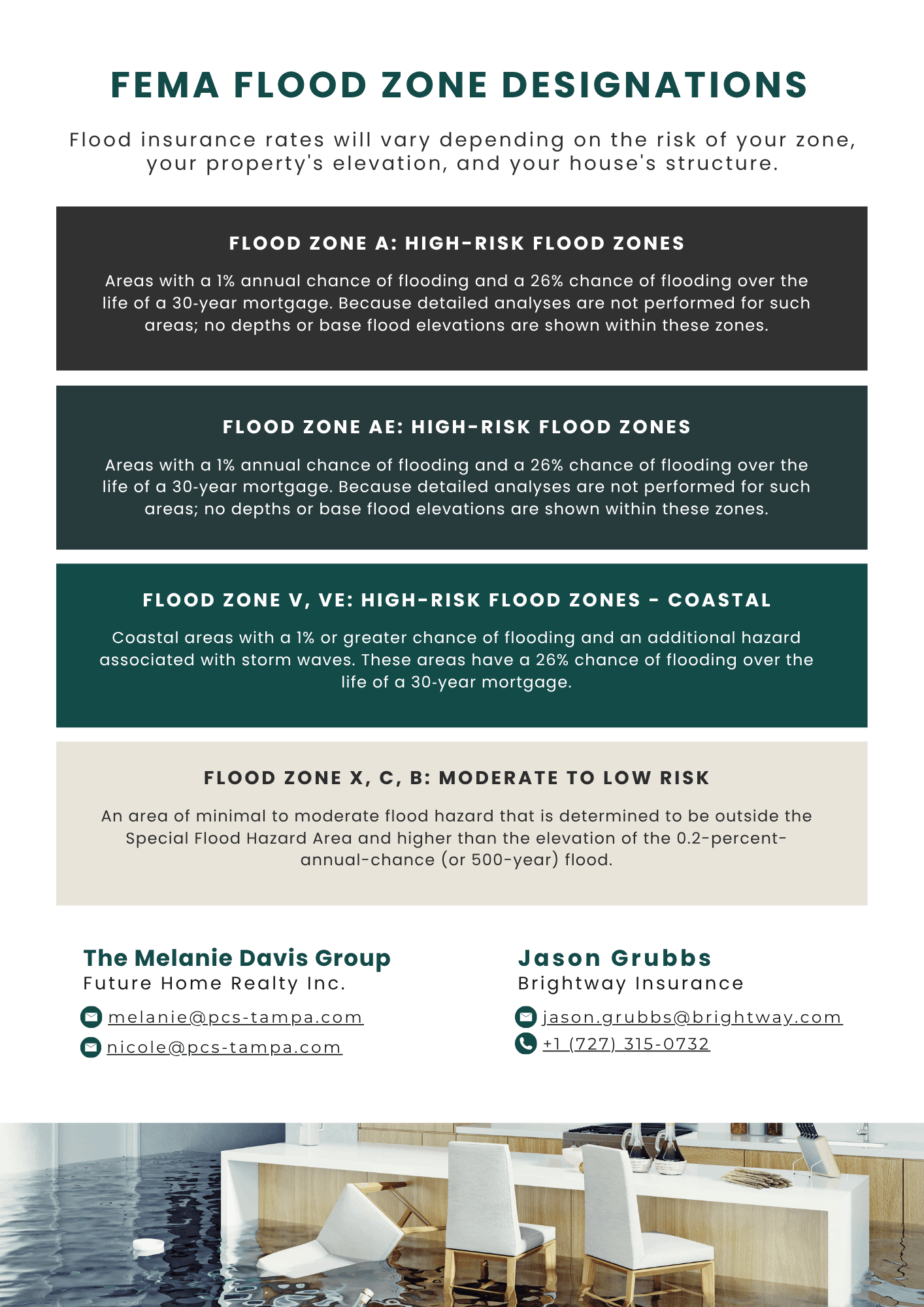
Flood zones in the United States are classified by the Federal Emergency Management Agency (FEMA). These designations appear on FEMA Flood Insurance Rate Maps (FIRMs) and help determine the level of flood risk associated with a property.
For home buyers in the Tampa Bay area, understanding these categories can make it easier to interpret FEMA flood maps and anticipate potential insurance requirements.
Below are the most common flood zone categories buyers encounter when reviewing properties in Tampa Bay.
Zone AE (High-Risk Flood Zone)
Zone AE is one of the most common high-risk flood zones found in coastal and low-lying areas.
Properties in Zone AE are located within a Special Flood Hazard Area (SFHA), which means there is a higher statistical probability of flooding during a standard 100-year flood event.
Key characteristics of Zone AE include:
- Flood insurance is typically required when the buyer is using a mortgage from a federally regulated lender
- FEMA has established a Base Flood Elevation (BFE) for the area
- These zones are often located near bays, rivers, canals, or other waterways
Many waterfront and low-elevation neighborhoods throughout the Tampa Bay region fall into this category.
Zone VE (Coastal Flood Zone)
Zone VE represents high-risk coastal areas that may experience wave action and storm surge during severe storms or hurricanes.
Homes located in Zone VE are typically found directly along the coastline or in areas highly exposed to storm-driven water movement.
Characteristics of Zone VE include:
- Higher flood risk compared to many other flood zones
- Flood insurance is generally required for financed properties
- Additional building and elevation standards may apply in some areas
Because these zones are often located along the waterfront, they can include some of the most desirable coastal communities while also carrying higher flood exposure.
Zone X (Moderate to Low Risk)
Zone X represents areas with moderate to low flood risk.
Properties located in Zone X are typically outside the Special Flood Hazard Area, meaning flood insurance is usually not required by lenders for financed purchases.
However, flooding can still occur in these areas due to heavy rainfall, drainage issues, or unusual weather events.
Many inland neighborhoods across the Tampa Bay region fall into Zone X, making them attractive to buyers who want to minimize insurance costs.
How to Interpret FEMA Flood Maps
FEMA flood maps assign each property a specific zone designation based on elevation data, flood modeling, and historical flood patterns.
When reviewing a property, buyers can check the FEMA map to determine:
- The property’s flood zone classification
- Whether flood insurance is likely required
- The Base Flood Elevation for the area
Understanding these designations helps buyers better evaluate potential risks and anticipate insurance costs before purchasing a home.
Understanding FEMA Flood Zone Categories
Flood zones in the United States are classified by the Federal Emergency Management Agency (FEMA). These designations appear on FEMA Flood Insurance Rate Maps (FIRMs) and help determine the level of flood risk associated with a property.
For home buyers in the Tampa Bay area, understanding these categories can make it easier to interpret FEMA flood maps and anticipate potential insurance requirements.
Below are the most common flood zone categories buyers encounter when reviewing properties in Tampa Bay.
Zone AE (High-Risk Flood Zone)
Zone AE is one of the most common high-risk flood zones found in coastal and low-lying areas.
Properties in Zone AE are located within a Special Flood Hazard Area (SFHA), which means there is a higher statistical probability of flooding during a standard 100-year flood event.
Key characteristics of Zone AE include:
- Flood insurance is typically required when the buyer is using a mortgage from a federally regulated lender
- FEMA has established a Base Flood Elevation (BFE) for the area
- These zones are often located near bays, rivers, canals, or other waterways
Many waterfront and low-elevation neighborhoods throughout the Tampa Bay region fall into this category.
Zone VE (Coastal Flood Zone)
Zone VE represents high-risk coastal areas that may experience wave action and storm surge during severe storms or hurricanes.
Homes located in Zone VE are typically found directly along the coastline or in areas highly exposed to storm-driven water movement.
Characteristics of Zone VE include:
- Higher flood risk compared to many other flood zones
- Flood insurance is generally required for financed properties
- Additional building and elevation standards may apply in some areas
Because these zones are often located along the waterfront, they can include some of the most desirable coastal communities while also carrying higher flood exposure.
Zone X (Moderate to Low Risk)
Zone X represents areas with moderate to low flood risk.
Properties located in Zone X are typically outside the Special Flood Hazard Area, meaning flood insurance is usually not required by lenders for financed purchases.
However, flooding can still occur in these areas due to heavy rainfall, drainage issues, or unusual weather events.
Many inland neighborhoods across the Tampa Bay region fall into Zone X, making them attractive to buyers who want to minimize insurance costs.
How to Interpret FEMA Flood Maps
FEMA flood maps assign each property a specific zone designation based on elevation data, flood modeling, and historical flood patterns.
When reviewing a property, buyers can check the FEMA map to determine:
- The property’s flood zone classification
- Whether flood insurance is likely required
- The Base Flood Elevation for the area
Understanding these designations helps buyers better evaluate potential risks and anticipate insurance costs before purchasing a home.
How to Check a Property’s Flood Zone in Tampa Bay
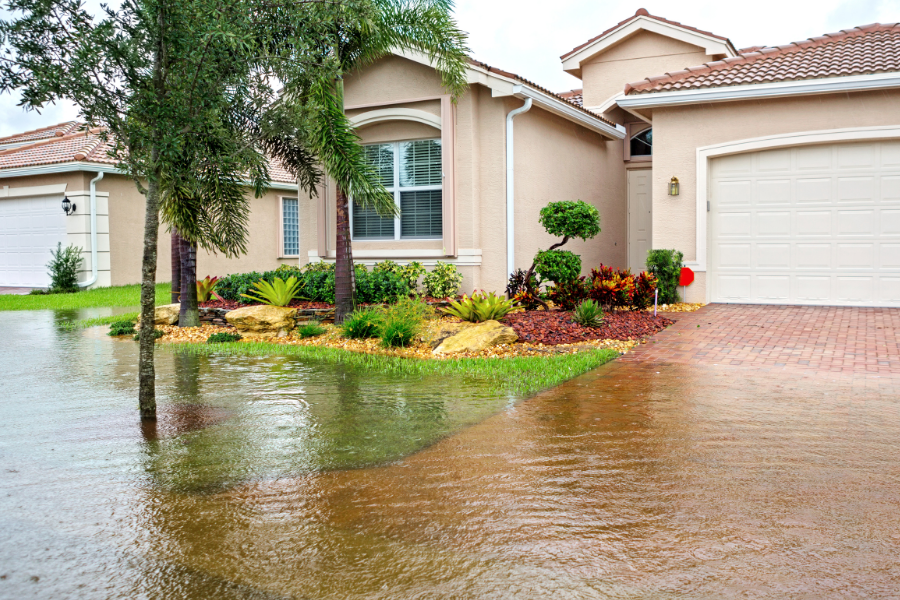
Before purchasing a home in the Tampa Bay area, buyers should verify the property’s flood zone designation. Flood zone status can affect insurance requirements, mortgage approval, and long-term homeownership costs.
Fortunately, there are several reliable ways to check flood zone information in Tampa Bay before making an offer.
FEMA Flood Map Service Center
The most direct way to verify flood zone status is through the Federal Emergency Management Agency Flood Map Service Center.
This online tool allows buyers to search by property address and view FEMA’s official Flood Insurance Rate Maps (FIRMs). These maps identify whether a property is located in a high-risk flood zone, moderate-risk area, or lower-risk zone.
The map also shows important details such as Base Flood Elevation and nearby waterways that may influence flood risk.
County Property Appraiser Websites
Many counties within the Tampa Bay region provide property information through their local property appraiser websites.
For example, property records in areas such as Hillsborough County and Pinellas County often include flood zone designations as part of the property’s public data.
While these records can be helpful for initial research, buyers should still confirm the designation using FEMA’s official maps.
Real Estate Disclosures
Sellers are often required to disclose known flood risks or past flooding issues as part of the property disclosure process.
Although disclosures may provide helpful context, they should not be the only source used to verify flood zone status. Flood maps and insurance quotes provide more definitive information.
Insurance Quotes
Another useful step is requesting a flood insurance quote before submitting an offer.
Insurance providers can evaluate the property’s flood zone designation and provide an estimate of annual flood insurance costs. This helps buyers understand how the flood zone may affect their monthly housing budget.
Important Buyer Tip
Flood zone status should always be confirmed before submitting an offer on a property. Verifying this information early allows buyers to evaluate insurance costs, understand potential risks, and avoid surprises during the closing process.
Flood Insurance Requirements for Tampa Bay Homes
Flood insurance is an important consideration for buyers purchasing property in the Tampa Bay area, particularly for homes located in higher-risk flood zones.
Mortgage lenders rely on flood zone designations from the Federal Emergency Management Agency to determine whether flood insurance must be carried as part of the loan requirements.
When Flood Insurance Is Required
Flood insurance is generally required for homes located in high-risk flood zones, also known as Special Flood Hazard Areas (SFHAs), when the buyer is using a federally backed mortgage.
Loan programs that typically follow these requirements include:
- VA loans
- FHA loans
- Conventional loans issued by federally regulated lenders
If you’re purchasing with VA financing, it’s helpful to understand how the loan program works and how flood insurance requirements may apply. Our VA Loan Guide explains eligibility, benefits, and how VA loans are commonly used by military buyers relocating to Tampa Bay.
If a property falls within one of these high-risk flood zones, lenders usually require proof of active flood insurance before the loan can close.
Homes located outside high-risk zones may not require flood insurance, but some buyers still choose to carry coverage as an added precaution.
Where Flood Insurance Comes From
Homeowners in Tampa Bay can obtain flood insurance through two primary options.
National Flood Insurance Program (NFIP)
The National Flood Insurance Program is a federally supported program that provides flood insurance coverage to participating communities across the United States.
Many homeowners obtain their flood insurance through NFIP policies issued by insurance providers.
Private Flood Insurance Providers
In recent years, private insurance companies have expanded flood insurance offerings. Private policies sometimes provide additional coverage options or competitive pricing depending on the property.
Buyers often compare both NFIP and private insurance quotes to determine the best option for their situation.
What Affects Flood Insurance Costs
Flood insurance premiums are not the same for every property. The cost of coverage can vary depending on several factors, including:
- Flood zone designation
- Elevation of the property relative to base flood levels
- Construction type and building characteristics
- Distance from coastal waters, bays, or rivers
Because these variables can differ significantly between properties, two homes in the same neighborhood may have very different insurance costs.
For buyers evaluating homes in Tampa Bay, obtaining a flood insurance estimate early in the process can help provide a clearer picture of total homeownership expenses.
Flood Mitigation Efforts in Tampa Bay
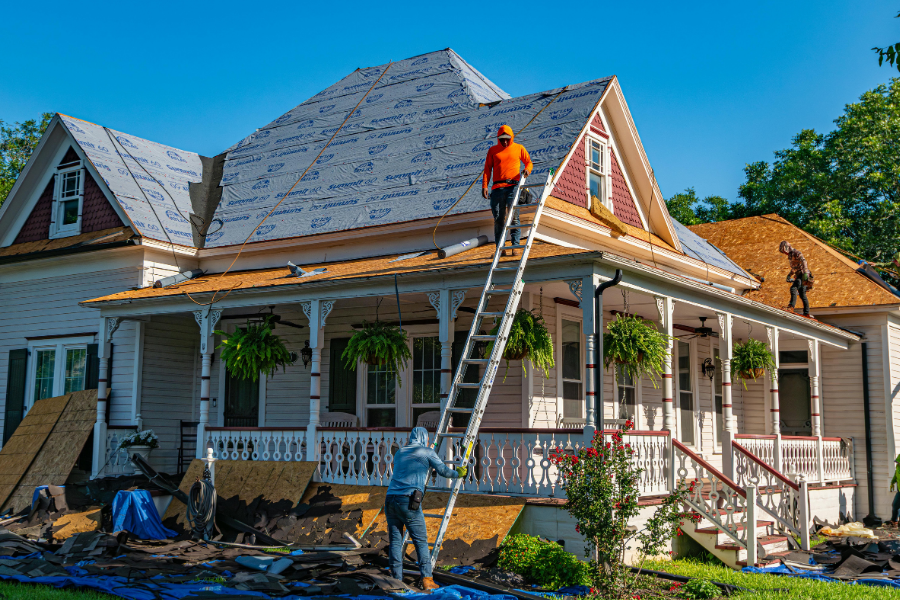
While parts of the Tampa Bay region fall within FEMA flood zones, local governments and infrastructure agencies continue investing in projects designed to reduce flood risk and improve stormwater management.
Cities and counties throughout the Tampa Bay area regularly implement flood mitigation strategies that help protect homes, roads, and public infrastructure during heavy rainfall and storm events.
Stormwater Infrastructure Improvements
Municipalities across the region invest in stormwater systems designed to move water away from neighborhoods more efficiently.
These projects may include:
- Expanded drainage systems
- Pump stations in low-lying areas
- Retention ponds and water management systems
- Upgraded culverts and storm drains
Improving drainage capacity helps reduce the likelihood of localized flooding during intense rainstorms.
Elevation and Building Standards
In many flood-prone areas, building codes require homes to meet elevation standards that place living spaces above projected flood levels.
New construction homes in flood zones are often built with:
- Elevated foundations
- Raised finished floor elevations
- Flood-resistant construction materials
These measures help reduce potential flood damage during extreme weather events.
Coastal and Shoreline Protection
Communities located near the water may also benefit from coastal protection initiatives.
These can include:
- Seawalls and shoreline stabilization
- Coastal restoration projects
- Improved water management systems
These efforts help reduce the impact of storm surge and tidal flooding in vulnerable coastal areas.
Updated Flood Mapping and Risk Management
Flood maps are periodically updated by the Federal Emergency Management Agency to reflect new data, development patterns, and environmental changes.
These updates help communities and homeowners better understand flood risk and plan infrastructure improvements accordingly.
What This Means for Buyers
Flood zones are a risk indicator, not a guarantee of flooding.
Many homes located in flood zones have never experienced flood damage, particularly when they meet modern elevation standards or are located in areas with improved stormwater infrastructure.
For buyers considering properties in Tampa Bay, reviewing flood zone maps, understanding insurance requirements, and learning about local flood mitigation efforts can provide a clearer picture of the property’s overall risk profile.

Does Being in a Flood Zone Affect Home Value?
Many buyers ask whether being located in a flood zone automatically lowers a home’s value. The reality is more nuanced. In the Tampa Bay housing market, flood zones can influence pricing and buyer demand, but they do not always reduce property values.
Several factors determine how much flood zone designation affects the market value of a home.
Insurance Costs
One of the primary ways flood zones influence home value is through insurance costs.
Homes located in higher-risk flood zones may require flood insurance when financed with a mortgage. These additional insurance premiums can increase a homeowner’s monthly housing expenses.
Because buyers often evaluate total monthly costs when deciding how much to offer, higher insurance premiums can sometimes affect pricing or negotiation leverage.
Buyer Demand
Flood zone designation can also influence buyer demand.
Some buyers specifically search for homes outside high-risk flood zones to avoid insurance requirements. Others are comfortable purchasing within flood zones if the property meets their lifestyle preferences or if insurance costs remain manageable.
This means the effect on value often depends on the buyer pool in a specific neighborhood.
Waterfront Desirability
In many parts of Tampa Bay, homes located near the water remain highly desirable despite flood risk.
Waterfront properties often command premium prices because of features such as:
- Bay views
- Canal access
- Boating lifestyle
- Proximity to beaches and coastal amenities
Because of this demand, some waterfront homes maintain strong property values even when located within FEMA-designated flood zones.
Mitigation Improvements
Homes that include flood mitigation features may maintain stronger value than properties without them.
Examples of mitigation improvements include:
- Elevated construction
- Updated drainage systems
- Flood-resistant materials
- Improved stormwater management in the surrounding area
These improvements can help reduce potential damage during severe weather and may improve buyer confidence.
Elevation Certificates
An elevation certificate can also play a role in how flood risk affects a home’s value.
This document measures the elevation of the structure relative to FEMA flood levels. In some cases, homes located within flood zones but built above the required elevation may qualify for lower flood insurance premiums.
Lower insurance costs can make these properties more attractive to buyers compared to other homes in the same flood zone.
Key Takeaway
Being located in a flood zone does not automatically reduce a property’s value. In many Tampa Bay communities, factors such as location, waterfront access, and property improvements continue to support strong home prices.
However, buyers should always evaluate flood zone status, insurance costs, and mitigation features when assessing the long-term value of a property.

Tips for Buying a Home in a Tampa Bay Flood Zone
Purchasing a home in a flood zone does not necessarily mean it is a risky investment, but buyers should take a few additional steps to fully understand the property’s exposure and potential costs. In the Tampa Bay area, many desirable communities sit near the water, making it important to evaluate flood-related factors early in the home search process.
These Tampa flood risk tips can help buyers make more informed decisions when purchasing a property located in a flood zone.
Verify the Flood Zone Early in the Process
Before making an offer, buyers should confirm the property’s flood zone designation using FEMA flood maps or local property records.
Knowing the flood zone early helps buyers understand whether flood insurance will be required and allows them to evaluate potential insurance costs before moving forward with the purchase.
Request an Elevation Certificate
An elevation certificate provides detailed information about the height of a home relative to FEMA flood levels.
This document can be helpful when obtaining flood insurance quotes because homes built above the base flood elevation may qualify for lower insurance premiums.
Not every property will already have an elevation certificate available, but buyers can request one from the seller if it exists.
Obtain Insurance Quotes Before Closing
Flood insurance premiums can vary depending on the property’s location, elevation, and construction characteristics.
Before finalizing a purchase, buyers should obtain one or more flood insurance quotes to estimate how coverage will affect their monthly housing costs. This step helps prevent unexpected expenses after closing.
Consider Long-Term Insurance Costs
Flood insurance rates can change over time as flood maps are updated or insurance programs adjust their pricing models.
Buyers should evaluate flood insurance not just as a short-term cost, but as part of their long-term homeownership budget.
Understanding these costs early can help buyers make more confident purchasing decisions.
Understand Evacuation Zones
Flood zones and evacuation zones are not the same thing, but both are important for coastal home buyers.
Evacuation zones are designated by local emergency management agencies and identify areas that may need to evacuate during hurricanes or severe storms. Knowing a property’s evacuation zone can help buyers understand potential storm-related risks and preparedness requirements.
By verifying flood zones, reviewing insurance options, and understanding local risk factors, buyers can confidently evaluate properties located in flood-prone areas of Tampa Bay.

Frequently Asked Questions About Flood Zones in Tampa Bay
Do all homes in Tampa Bay require flood insurance?
No, not all homes in the Tampa Bay area require flood insurance.
Flood insurance is typically required only when a property is located within a high-risk flood zone, also known as a Special Flood Hazard Area (SFHA), and the buyer is using a mortgage from a federally regulated lender.
Homes located in moderate- or low-risk flood zones may not require flood insurance, although some homeowners still choose to carry coverage for added protection.
Can you buy a home in a flood zone with a VA loan?
Yes, buyers can purchase homes located in flood zones using a VA loan.
However, if the property is located within a high-risk FEMA flood zone, the lender will generally require flood insurance as part of the loan approval process.
This requirement is not specific to VA loans. FHA, VA, and many conventional loans follow similar federal guidelines regarding flood insurance in designated flood hazard areas.
How much does flood insurance cost in Florida?
Flood insurance costs in Florida can vary significantly depending on several factors.
These may include the property's flood zone classification, elevation relative to FEMA flood levels, construction type, and distance from nearby water sources.
Because of these variables, annual premiums may range widely. Buyers are encouraged to request flood insurance quotes during the home buying process to understand potential costs before closing.
Are flood zones permanent?
Flood zones are not permanent designations.
Flood risk maps are periodically reviewed and updated based on new data, environmental changes, infrastructure improvements, and updated flood modeling.
These updates help ensure that flood maps reflect current risk conditions.
Can flood zones change over time?
Yes, flood zones can change over time.
The Federal Emergency Management Agency periodically updates Flood Insurance Rate Maps (FIRMs) as new data becomes available.
Changes in development patterns, drainage systems, environmental conditions, or updated elevation data can all influence how flood zones are classified.
Final Thoughts: Understanding Flood Risk Before Buying
Buying a home in the Tampa Bay area can be an exciting opportunity, especially with the region’s waterfront lifestyle, vibrant neighborhoods, and growing communities.
Understanding flood zones is simply part of making an informed decision when purchasing property in a coastal market. Flood zone designations help buyers evaluate potential insurance requirements, understand long-term costs, and assess how location may influence future resale value.
By reviewing FEMA flood maps, confirming insurance requirements early, and working with professionals who understand the local market, buyers can approach the process with greater clarity and confidence.
Start Your Tampa Bay Home Search With Local Guidance
If you're planning to buy a home in Tampa Bay and want to better understand flood zones, insurance considerations, and neighborhood options, our team at The Melanie Davis Group can help guide you through the process.
Reach out to discuss your home search strategy and explore properties that align with your goals, budget, and comfort level with flood risk.
Recent Posts